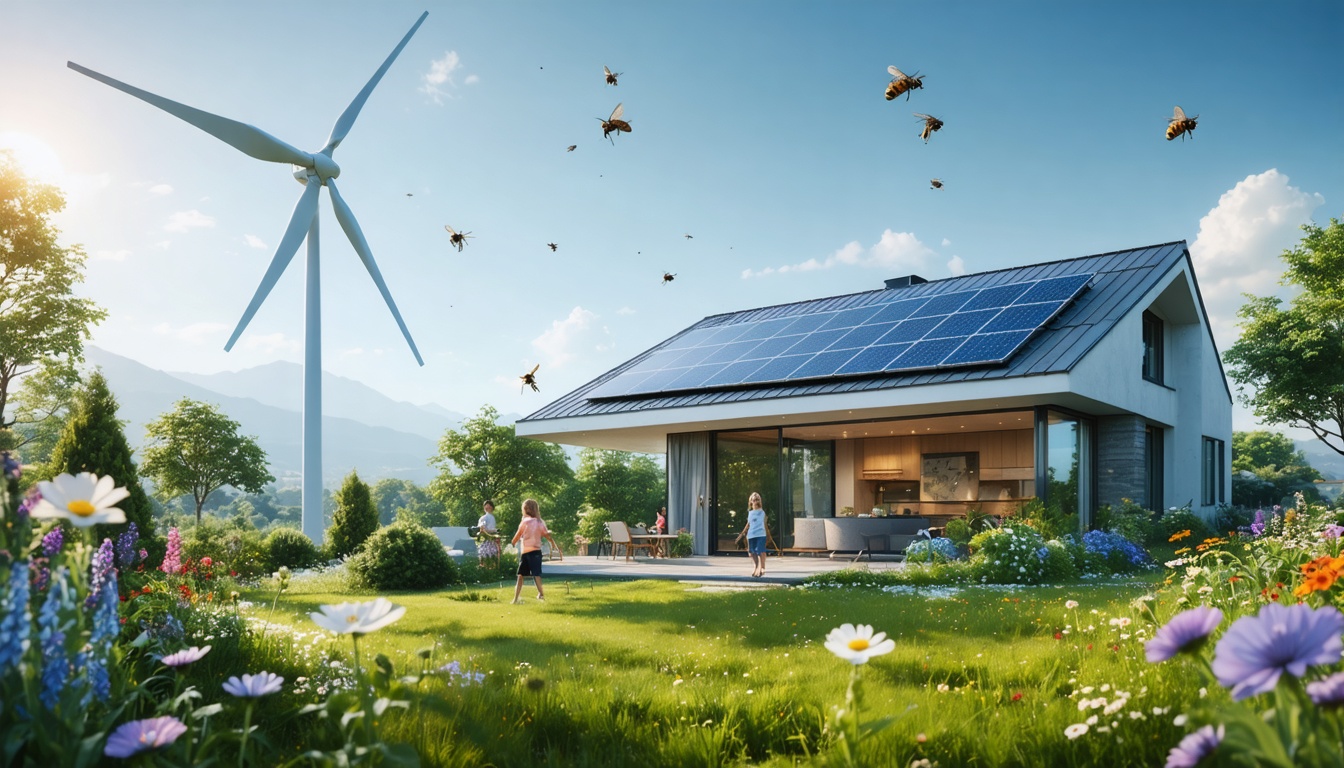
The Environmental Benefits of Choosing Renewable Energy at Home
Choosing renewable energy for your home contributes to both financial savings and environmental protection. Transitioning to clean energy sources, such as solar or wind, results in reduced greenhouse gas emissions and less air and water pollution, which are pivotal in addressing climate change and preserving natural resources. This shift not only benefits the environment but can also have positive implications for local communities by potentially stabilizing energy costs and creating job opportunities in the renewable sector. From a health perspective, renewable energy can lower the incidence of illnesses associated with pollution, thereby potentially reducing healthcare costs. Furthermore, as more households adopt renewable energy, the cumulative impact can lead to greater energy efficiency in the grid, which can drive down overall energy costs for consumers. In summary, renewable energy presents a viable option for households seeking to contribute positively to environmental sustainability, enhance community resilience, and potentially improve public health outcomes. Understanding these factors is critical as the global community navigates the challenges associated with energy production and consumption.
What Is Renewable Energy?
Renewable energy is derived from natural resources that naturally replenish over short timeframes, such as sunlight, wind, rain, tides, waves, biomass, and geothermal heat. These sources are recognized as sustainable alternatives to traditional fossil fuels, as they produce lower levels of greenhouse gas emissions when used for electricity generation and heating.
Technologies like solar panels, wind turbines, and heat pumps can be deployed at both residential and municipal levels, contributing to a reduction in carbon dioxide emissions and air pollution. Such a transition is aligned with efforts to meet Net Zero carbon targets, which aim to balance the amount of greenhouse gases emitted with those removed from the atmosphere.
The renewable energy sector has experienced significant growth, resulting in the creation of millions of jobs within its supply chain annually.
Businesses and individual consumers engaging in renewable electricity generation may see a reduction in operational costs, while simultaneously supporting broader economic development.
This shift reflects ongoing climate action initiatives in the United States, which are designed to address various environmental challenges faced by society.
Clean Power and the Reduction of Greenhouse Gas Emissions
Traditional energy sources, such as coal and natural gas, are significant contributors to greenhouse gas emissions, particularly carbon dioxide, which is a primary driver of climate change. In contrast, clean power alternatives, including solar and wind energy, offer a means to reduce the environmental impacts associated with energy consumption.
The adoption of technologies like solar panels, wind turbines, and heat pumps enables individuals to utilize energy generated from renewable resources. For those interested in Solar Panel Installation in North Carolina, local providers can offer customized solutions to enhance energy efficiency and support environmental sustainability. These forms of energy typically result in lower greenhouse gas emissions per unit of output, thereby assisting in the reduction of overall carbon emissions and supporting global Net Zero targets.
The transition to renewable electricity and heating methods aligns with the United States' climate action goals, which emphasize sustainability. This transition carries implications not only for the environment but also for economic development.
The shift toward clean energy resources can stimulate economic growth and create employment opportunities within emerging industries. Empirical data demonstrates that the expansion of clean electricity generation, coupled with the increasing adoption of electric vehicles, plays a key role in decreasing carbon dioxide emissions, thereby providing a basis for mitigating negative environmental consequences.
How Renewable Energy Promotes Cleaner Air
The selection of energy sources significantly influences air quality, with the integration of renewable energy options such as solar and wind power offering notable environmental benefits. By utilizing renewable energy for electricity and heating, dependence on fossil fuels—which are primary sources of greenhouse gas emissions—is reduced.
The combustion of fossil fuels is responsible for millions of premature deaths annually and is a major factor in the decline of air quality in the United States and other areas. Shifting to renewable energy supports Net Zero objectives and can notably decrease carbon dioxide emissions.
Studies suggest that energy produced by wind turbines, solar panels, and heat pumps generates emissions that can be nearly three times lower than those from conventional fossil fuel power plants.
Moreover, the transition to renewable energy sources is linked to job creation in emerging sectors focused on clean energy technologies. This move not only lessens carbon emissions but also contributes to alleviating the broader effects of climate change.
In summary, the transition toward renewable energy represents a practical strategy that aids in enhancing both environmental standards and economic stability.
Water Conservation Through Renewable Home Systems
As energy demand rises, implementing effective water conservation practices in residential settings becomes increasingly important. Renewable energy sources, such as solar panels, heat pumps, and wind turbines, present an opportunity to reduce water consumption associated with electricity generation.
In contrast to fossil fuel power plants, which often use substantial amounts of water for cooling and operational processes, renewable energy systems generally operate with minimal to no water requirements. These renewable technologies utilize natural resources and produce significantly lower emissions of greenhouse gases and carbon dioxide, contributing to improved air quality in urban environments.
The combination of rainwater harvesting systems with renewable energy installations enhances sustainability by promoting efficient water use and improving the resilience of local water supplies.
Furthermore, this approach supports broader sustainability objectives, such as achieving Net Zero emissions. Households that adopt both renewable energy solutions and water conservation practices can effectively lower their carbon footprints and contribute to the development of a more sustainable economy.
This integrated strategy highlights the critical connection between energy conservation and water management in addressing environmental impacts.
The Role of Renewables in Supporting Biodiversity
The integration of renewable energy sources contributes to biodiversity preservation through the reduction of carbon dioxide emissions and air pollution. Renewable electricity generation methods, such as solar panels and wind turbines, offer a cleaner alternative to traditional fossil fuel power plants, leading to lesser greenhouse gas emissions and improved local and regional air quality.
The utilization of renewable energy systems typically involves the use of natural resources that produce minimal or no greenhouse gases. This reduction is significant in the context of climate change, which poses a threat to various species and habitats.
The adoption of cleaner technologies, including heat pumps and electric vehicles, further aids in addressing the adverse impacts of climate change, potentially providing greater stability for ecosystems and vulnerable wildlife.
Moreover, the transition to renewable energy is associated with economic growth, primarily through job creation within the renewable sector. This shift aligns with the net-zero emissions targets set by the United States and other countries, contributing to environmental sustainability and fostering a robust economy.
Collectively, these elements underscore the importance of renewable energy in supporting biodiversity while facilitating economic development.
Energy Independence and Local Environmental Benefits
Transitioning to renewable energy within residential environments can lead to a significant reduction in dependence on imported fossil fuels, thereby increasing community resilience. The adoption of technologies such as solar panels, wind turbines, and heat pumps allows homeowners to generate their own electricity and reduce carbon dioxide emissions.
The use of renewable energy sources generally results in lower emissions of carbon and other greenhouse gases. This transition can positively affect local air quality and water resources. Achieving Net Zero electricity and heat generation may also lead to a decline in overall pollutants, which can support better public health outcomes.
Additionally, the renewable energy sector is linked to job creation in sustainable industries, potentially strengthening the local economy.
These actions contribute to efforts to mitigate the adverse effects of climate change. As more communities and individuals shift toward renewable energy, they support the larger goal of energy independence for the United States.
Lowering Household Carbon Footprints with Renewables
Transitioning to clean energy sources for residential use can effectively reduce household carbon footprints. Renewable energy options, such as solar panels, heat pumps, and wind turbines, have been shown to lower carbon emissions and improve local air quality.
Renewable electricity generation typically results in minimal to no greenhouse gas emissions when compared to fossil fuel power plants.
Adopting renewable solutions in homes, including electric vehicles and alternative heating systems, contributes to a reduction in carbon dioxide emissions. In the United States, financial incentives and tax credits are available to support these transitions, which can enhance the sustainability of the supply chain.
The shift toward renewable energy has both ecological and economic implications. The renewable energy sector has the potential to create jobs and may lead to measurable health cost savings over time.
Consequently, the residential implementation of renewable energy serves as a practical means of addressing environmental issues while offering economic benefits.
Challenges and Limitations of Residential Renewable Energy
The implementation of renewable energy technologies in residential environments presents a range of practical challenges for homeowners, despite the associated environmental benefits. A notable obstacle is the substantial upfront investment necessary for systems such as solar photovoltaic panels, wind turbines, and heat pumps. While various tax credits and incentives exist to reduce some of these costs, the overall financial requirements can still present significant barriers for many individuals.
Additionally, the generation of renewable energy is often characterized by intermittency, leading to variability in electricity production depending on environmental factors like weather conditions and the time of day. This inconsistency necessitates effective energy storage solutions to ensure a reliable supply, yet these solutions can be both expensive and technologically complex.
Geographic factors greatly influence the performance of renewable technologies, as not all locations possess the requisite solar or wind resources throughout the year. This variability further complicates broader adoption across diverse regions.
While residential renewable energy systems contribute to lower carbon emissions during operation, it is important to acknowledge that the manufacturing processes and supply chains involved in these technologies can contribute to significant greenhouse gas emissions.
Therefore, achieving Net Zero emissions remains a complex challenge for the United States and other nations. This situation underscores the necessity for a comprehensive approach to the integration of residential renewable energy, taking into consideration the interplay between economic viability and environmental impact.
Looking Ahead: Renewable Energy’s Potential for Sustained Environmental Health
The transition to renewable energy offers significant long-term environmental benefits that can be quantified and analyzed. The adoption of technologies such as solar panels, wind turbines, and heat pumps has been shown to reduce household carbon emissions and air pollution levels.
As entities including cities and various economic sectors implement Net Zero strategies, the shift towards cleaner electricity generation aims to decrease reliance on fossil fuels, lower carbon dioxide emissions, and improve overall air quality.
This transition is also linked to potential job creation and improved management of natural resources. According to projections, by 2050, around 90% of electricity and heat may be produced from renewable sources.
Such a shift is expected to lead to considerable reductions in greenhouse gas emissions, thereby addressing some of the contributing factors to climate change. Overall, moving towards renewable energy sources presents a methodical approach to tackling environmental issues while supporting economic development.
Conclusion
Choosing renewable energy for residential use contributes to a reduction in carbon emissions, which is a key factor in combating climate change. By utilizing sources such as solar, wind, and hydropower, households can reduce their reliance on fossil fuels, thereby conserving natural resources and decreasing air pollutants that can lead to health issues. The adoption of clean energy can also enhance community resilience by diversifying energy sources and contributing to local economies. Increased reliance on renewable technologies can create job opportunities in installation, maintenance, and manufacturing sectors. While there are hurdles to consider when transitioning to renewable energy, such as initial investment costs and the need for appropriate infrastructure, the long-term advantages include energy savings, reduced environmental impact, and alignment with broader sustainable development goals. Ultimately, choosing renewable energy can play a significant role in promoting a more durable and healthy environment for the future.